
Why Wigan is the best town in the north west
Ask anyone from Wigan where the best town in the North-West is and you won’t get a debate — you’ll get a lecture. Preferably long, passionate and finished with “and that’s why.” From coal dust to cup finals, dancefloors to dinner plates, Wigan has quietly (and sometimes very loudly) been getting on with being brilliant since the 1950s. So, in the interests of balance, fairness and a bit of mischief, here are five completely unbiased reasons why Wigan is — quite obviously — the greatest town in the North-West.
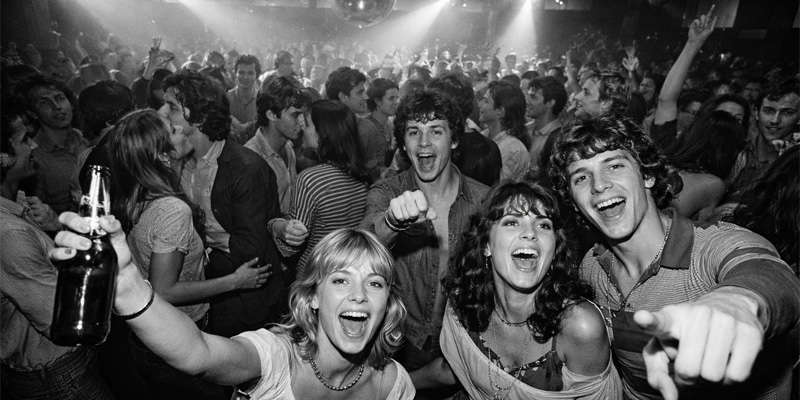
1. We Know How to Work Hard… and Then Have a Proper Night Out
Post-war Wigan in the 1950s was built on graft. Pits, mills, foundries — if it involved getting up early, getting dirty and getting on with it, Wiganers were there. That work ethic didn’t just pay the bills; it shaped the town’s attitude. No fuss, no nonsense, just crack on and look after your own.
But when the hooter went, Wigan knew how to switch gears. By the 1970s, the same town that powered industry by day was powering dancefloors by night. Northern Soul at the Casino became world-famous, proving Wigan could out-work you *and* out-dance you — all before last orders.
2. Rugby League Royalty (Sorry, Everyone Else)
From the 1950s onwards, Wigan Warriors didn’t just play rugby league — they set the standard. Generations grew up measuring time not by years, but by trophies, cup finals and famous wins. If silverware were rationed, Wigan would still somehow have most of it.
And it’s not just about winning (although there’s a lot of that). Rugby league in Wigan is community glue. Grandparents, parents and kids all have stories, heroes and heartbreaks passed down like family heirlooms. Even if you don’t like rugby, you still know the score — and probably have an opinion on the ref.
3. We Invented Cool… Accidentally
Wigan Casino didn’t set out to change global music culture — it just wanted somewhere to dance. Yet from the late 1960s into the 1980s, people travelled from across the UK, Europe and beyond to experience what was happening here. Rare soul records, talc on the floor, spins, kicks and all-nighters — Wigan became a pilgrimage site.
What makes it even better is that Wigan never really bragged about it. While other towns shout about their “scenes,” Wigan just got on with it. Even today, that quiet cool remains — if something’s happening in Wigan, chances are it’s already legendary somewhere else.

4. We Speak Our Own Language (And It’s Flippin' Glorious)
From the 1950s terrace chatter to modern-day social media comments, Wigan dialect has remained stubbornly brilliant. It’s blunt, warm, sarcastic and efficient — why use ten words when two and a raised eyebrow will do?
This way of speaking reflects the town itself. There’s honesty in it. No pretending, no airs and graces. Whether it’s shouted across a street, muttered in a queue or proudly defended online, Wiganese remains one of the North-West’s most expressive exports — and impossible to fake properly.
5. We’re Still Here — Still Wigan
Plenty of towns struggled as industries faded from the 1970s onwards. Wigan did too — but it adapted. From pits closing to retail shifting, from the old to the new, Wigan found ways to keep going without losing its identity. Not every change was smooth, but resilience has always been part of the deal.
Today’s Wigan blends history with modern life — green spaces, culture, sport, music and community still front and centre. It’s a town that remembers where it came from without being stuck there. And through every decade since 1950, one thing hasn’t changed: Wiganers still wouldn’t swap it for anywhere else.
So yes, we’re biased. But we’re also right.
-
 Disco 2000 Pulp 1:32
 -
 My Perfect Cousin Undertones [The] 1:30
 -
 The Boys Of Summer Don Henley 1:24